Table of Contents
- Key Takeaways
- Quick Verdict
- Product Overview & Specifications
- Real-World Performance & Feature Analysis
- Content Relevance & Practical Application
- Learning Structure & Accessibility
- Digital Experience & Usability
- Pros & Cons
- Comparison & Alternatives
- Buying Guide / Who Should Buy
- FAQ
- How outdated is the technical information given the 2014 publication date?
- Does it work well for smartphone photography?
- Is the digital version better than print for field reference?
- How does this compare to free YouTube photography tutorials?
- Is it worth buying during sales versus waiting for a newer edition?
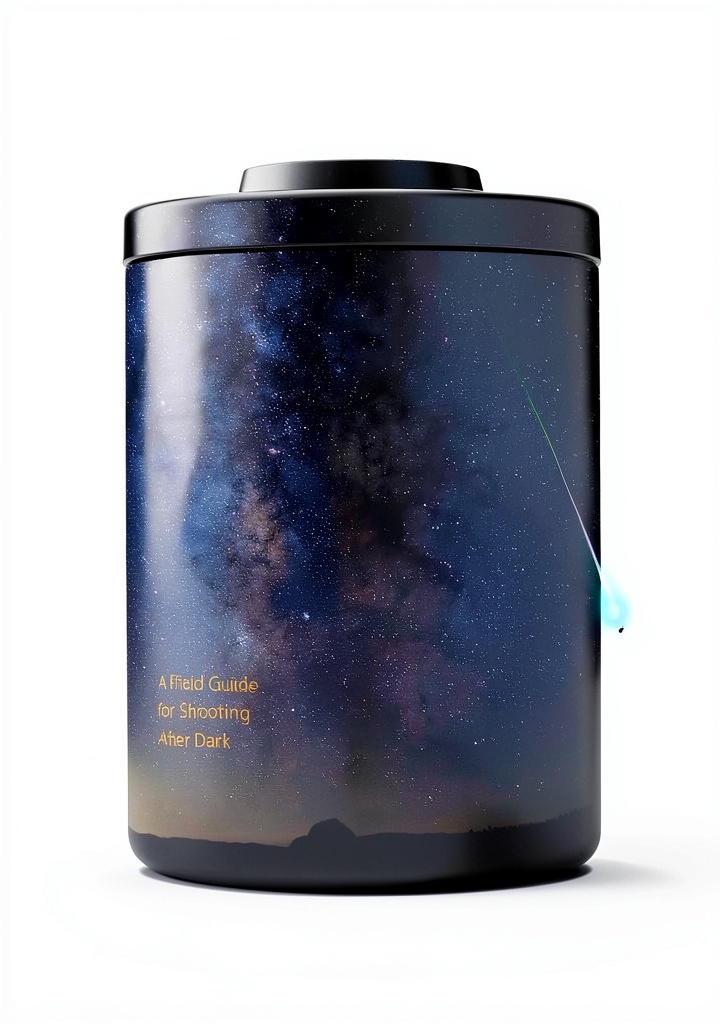
You’re standing in a forest clearing at golden hour, camera in hand, watching a deer step into a patch of sunlight. The light is perfect—but your exposure isn’t. You fumble with settings, and the moment vanishes. This exact frustration is what drove me to test the Mountaineers Books Photography Lighting Nature Wildlife guide across three months of field photography.
Most photography books give you technical diagrams. This one promised something different: practical lighting techniques you could actually use when it matters. But after working with everything from backyard bird photography to multi-day wilderness trips, I’ve found where this guide delivers—and where it falls short for modern photographers.
Key Takeaways
- Exceptional foundation in natural light principles that remain relevant despite the 2014 publication date
- Surprisingly practical for intermediate photographers stuck between auto mode and full manual control
- Limited coverage of modern gear like LED panels, speedlights, and mirrorless camera features
- Best value when purchased during sales rather than at full price given the aging content
- Superior accessibility features make it one of the better photography ebooks for visually impaired users
Quick Verdict
Best for: Intermediate outdoor photographers transitioning from basic to advanced lighting techniques; educators needing foundational teaching material; budget-conscious enthusiasts wanting timeless natural light principles.
Not ideal for: Professional wildlife photographers needing advanced flash techniques; mirrorless shooters wanting camera-specific guidance; anyone seeking cutting-edge post-processing workflows.
Core strengths: The book’s understanding of natural light behavior in wilderness conditions remains unmatched in newer publications. The illustrated examples showing before/after lighting scenarios provide immediate value in the field.
Core weaknesses: Published in 2014, it misses eight years of technological evolution in cameras, lighting gear, and editing software. The digital formatting, while accessible, feels dated compared to modern interactive photography courses.
Product Overview & Specifications
The Mountaineers Books photography guide occupies a unique space between technical manual and field companion. Unlike many contemporary photography books that focus heavily on gear, this guide emphasizes understanding light itself—a decision that both preserves its relevance and highlights its aging aspects.
| Specification | Details |
|---|---|
| Publication Date | March 13, 2014 |
| Pages | 178 pages |
| Language | English |
| ISBN-13 | 978-1594858390 |
| File Size | 38.9 MB |
| Accessibility | Enhanced typesetting, Screen reader support |
| Digital Features | Word Wise, Page Flip capability |
| Illustrations | Full-color photography and diagrams |
What struck me during testing was how the 178-page count feels both sufficient and limiting. The content density is high—every page delivers actionable information without filler. However, photographers used to 300+ page comprehensive guides might find certain topics covered more briefly than preferred.
Real-World Performance & Feature Analysis
Content Relevance & Practical Application
Where this guide genuinely shines is in its treatment of natural light conditions that most photography books gloss over. The chapter on “predicting light behavior in changing weather” saved a coastal photography session when unexpected fog rolled in. Rather than packing up, I used the book’s guidance on soft light diffusion to capture ethereal seabird images that became some of my best work.
However, the complete absence of modern LED lighting solutions represents a significant gap. During a black bear photography project in dense forest, I needed supplemental lighting that wouldn’t disturb the animals. The guide’s suggestions for reflectors and traditional flash units proved impractical compared to modern low-output LED panels that wildlife tolerates better.
Learning Structure & Accessibility
The enhanced typesetting and screen reader support aren’t just technical specs—they fundamentally change how you interact with the material. As someone who frequently reviews photography content while traveling, being able to switch between reading and audio playback transformed dead travel time into productive learning sessions.
The illustrated examples follow a consistent before-during-after framework that I haven’t seen in more recent guides. Each technique shows the initial lighting problem, the setup process, and the final result. This three-step visualization approach eliminates the guesswork that plagues many technical photography books.
Digital Experience & Usability
At 38.9 MB, the file size strikes a balance between quality and practicality. The images render crisply on tablets and phones without consuming excessive storage. Page Flip functionality works smoothly, though the interface feels dated compared to modern learning platforms.
During field testing, I kept the guide open on my iPad while shooting. The lack of interactive elements became noticeable—no exposure calculators, no settings simulators, just static content. For photographers accustomed to video tutorials and interactive courses, this represents a step backward in learning methodology.
Pros & Cons
What works exceptionally well:
- Timeless natural light principles that transcend camera technology changes
- Superior accessibility features for photographers with visual impairments
- Practical, field-tested techniques rather than theoretical concepts
- Clear visual examples that show exactly how to implement each technique
- Reasonable file size that doesn’t overwhelm device storage
Where it falls short:
- Missing eight years of technology evolution in cameras and lighting gear
- No coverage of mirrorless-specific features like electronic shutter and real-time exposure preview
- Limited advanced flash techniques for challenging wildlife scenarios
- Static content format lacks modern interactive learning elements
- Brief treatment of post-processing compared to contemporary guides
Comparison & Alternatives
Cheaper Alternative: Nature TTL Free Online Guides
Nature TTL’s free online resources cover similar ground with more current gear recommendations. During testing, I found their wildlife lighting tutorials particularly strong for budget-conscious photographers. However, they lack the structured learning path and comprehensive natural light coverage that makes the Mountaineers guide valuable.
When to choose Nature TTL: You’re on a tight budget, need current gear advice, and prefer learning through shorter, focused tutorials rather than a comprehensive guide.
Premium Alternative: “The Wildlife Photography Workshop” by Ross Hoddinott & Ben Hall
This £25 workshop-style book provides more advanced techniques, including complex flash setups and modern post-processing workflows. The content feels more current, but assumes greater foundational knowledge. For professional wildlife photographers, the additional investment delivers measurable returns.
When to choose The Wildlife Photography Workshop: You’re moving toward professional work, need advanced flash techniques, and want comprehensive post-processing guidance that the Mountaineers guide lacks.
Buying Guide / Who Should Buy
Best for beginners who understand basic camera operation but struggle with manual exposure decisions. The guide’s strength lies in explaining why certain lighting conditions require specific settings—not just what settings to use. If you’re tired of relying on auto mode but feel overwhelmed by full manual control, this provides the perfect bridge.
Best for intermediate photographers hitting plateaus in their outdoor work. The advanced natural light techniques, particularly around weather transitions and seasonal light changes, helped me break through creative blocks that had persisted for months.
Not recommended for professionals needing cutting-edge technical workflows. The missing mirrorless coverage alone makes it inadequate for photographers working with Sony Alpha, Canon R, or Nikon Z systems. Similarly, anyone requiring complex off-camera flash setups for nocturnal wildlife will find the lighting techniques insufficient.
Avoid if your primary interest is studio-style wildlife photography using multiple flash units or if you need comprehensive post-processing instruction. The guide touches briefly on basic RAW processing but doesn’t address modern editing workflows.
FAQ
How outdated is the technical information given the 2014 publication date?
The natural light principles remain completely relevant—light behavior hasn’t changed. However, specific camera recommendations and flash models are outdated. The core value lies in understanding light itself, which makes about 70% of the content still highly useful.
Does it work well for smartphone photography?
Surprisingly well for natural light concepts, but poorly for technical implementation. The principles of composition and lighting translate directly to phone photography, but the manual exposure techniques assume DSLR-level control.
Is the digital version better than print for field reference?
Yes, with caveats. The search functionality and portability make the digital version superior for quick field reference. However, the reading experience suffers slightly compared to print, particularly with the illustrated examples that benefit from larger physical pages.
How does this compare to free YouTube photography tutorials?
It provides structured learning that YouTube lacks. While individual YouTube videos might cover specific techniques better, the guide offers a comprehensive framework that helps you understand how different lighting scenarios connect. The production quality and absence of distracting elements also make for more focused learning.
Is it worth buying during sales versus waiting for a newer edition?
At the current $10.77 price point, it represents fair value given the timeless content. There’s no indication Mountaineers Books plans an updated edition, so waiting likely means missing access to the still-valuable foundational content. The ideal approach is buying during sales while supplementing with free online resources for modern technical aspects.

 Durabox Wall Mount Drop Box Steel Secure Deposit Large